


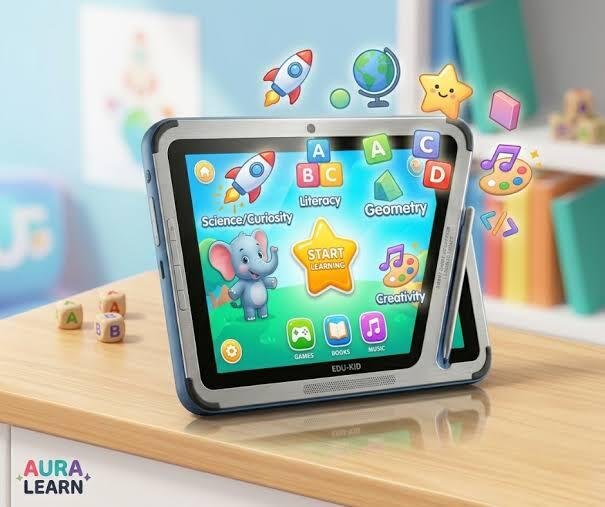
Gamification is the process of integrating game-design elements and mechanics into non-game environments, and it is taking the educational world by storm. By tapping into the psychological triggers that make video games so addictive—immediate feedback, sense of progression, and reward systems—educators are finding new ways to motivate students who might otherwise disengage from traditional coursework.
At its core, gamifying a classroom might involve replacing standard grading scales with an “experience points” (XP) system. Instead of starting at 100% and losing points for mistakes, students start at zero and earn XP for completing assignments, participating in discussions, and helping peers. This fundamental shift reframes failure not as a punishment, but as an expected part of the learning curve, encouraging students to try again and “level up.”
Digital badges and leaderboards are other common tools used to drive engagement. When students can visually track their progress and showcase their mastery of a specific skill—whether it’s multiplication tables or historical dates—they feel a tangible sense of accomplishment. However, educators must be careful to ensure leaderboards foster healthy competition rather than discouraging students who may be learning at a slower pace.
The key to successful gamification is balancing the “fun” with actual academic rigor. The game mechanics should serve the curriculum, not overshadow it. When implemented thoughtfully, gamification transforms passive listeners into active participants, making the journey of learning as exciting as the destination.