

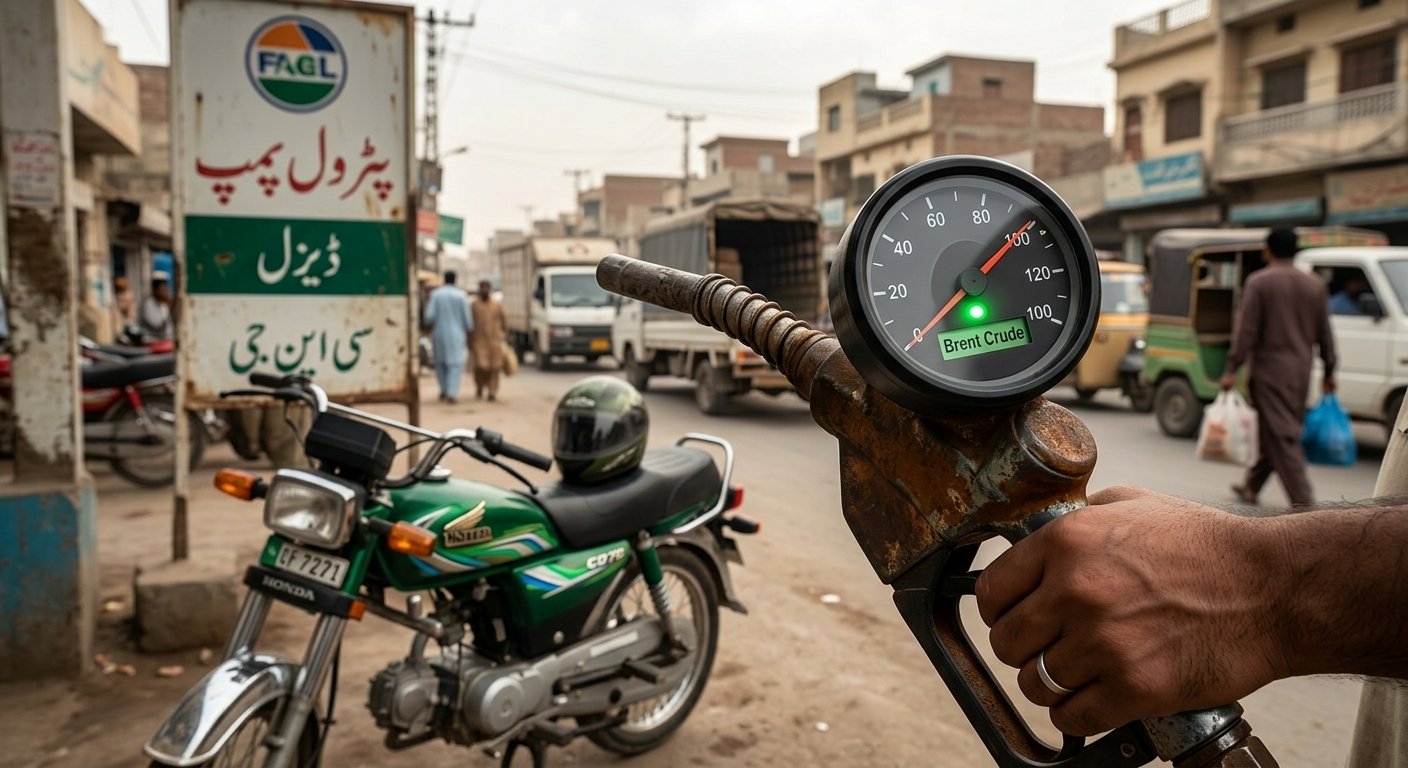
Global oil markets have crossed a critical threshold. Brent crude has risen above $100 a barrel as escalating tensions in the Middle East reignite concerns over global energy supply.
The timing is difficult for Pakistan, where petrol and diesel prices had already risen sharply amid recent volatility in international oil markets. Effective September 9, the government raised petrol by Rs5.58 per litre to Rs364.35, and High-Speed Diesel by Rs4.18 to Rs385.95 per litre.
With crude now back above $100, the question is no longer whether petrol prices could rise further, but how prolonged high oil prices would affect inflation, transportation, food costs, businesses, and the country’s external finances.
Why Has Oil Crossed $100?
The rally is being driven primarily by fears of supply disruption in the Middle East. Brent climbed to around $100.19 a barrel on Wednesday — its highest level since July, according to Reuters. West Texas Intermediate also moved higher on concerns that the conflict could further disrupt production and shipping routes.
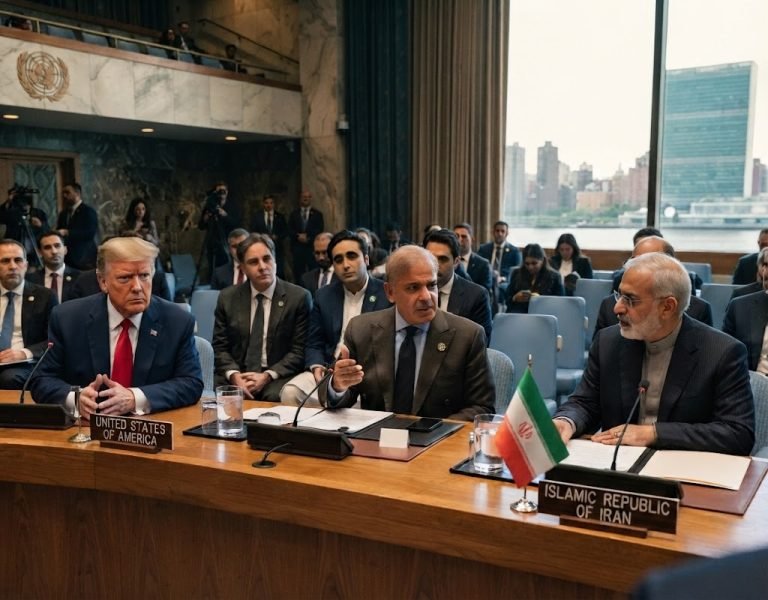
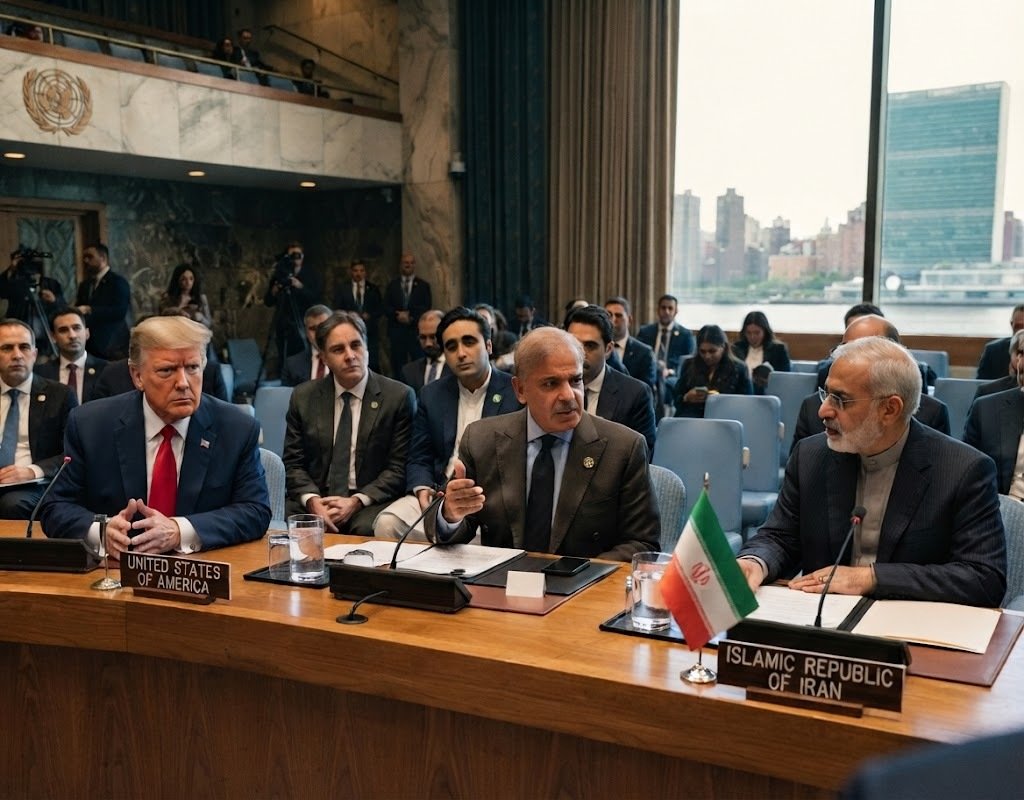
The picture has grown more complicated following attacks involving Iran, the United States, and Iran-backed Houthi forces, along with recent strikes on Saudi energy infrastructure that have raised questions about the security of regional supply.
The Strait of Hormuz, one of the world’s most important energy corridors, remains a key point of concern; any significant disruption to shipments through the region could push prices substantially higher.
Analysts are treating the $100 level as more than a psychological milestone — it is increasingly viewed as a warning sign for the global economy, particularly for energy-importing countries.
Pakistan Is Already Feeling the Pressure
Pakistan is especially exposed to international oil shocks given its heavy reliance on imported petroleum products and crude. The latest increase has pushed petrol to Rs364.35 per litre and HSD to Rs385.95 per litre.
The impact extends well beyond motorists. Diesel powers a large share of the country’s transportation, agriculture, and industrial activity, so a rise in diesel costs raises the cost of moving goods from farms and factories to markets — a pressure that ripples across the wider economy.
Will Petrol Prices Rise Again?
A sustained increase in global crude prices would add further pressure to domestic fuel prices, though the price consumers ultimately pay is not determined by the international benchmark alone. Exchange-rate movements, petroleum taxes and levies, freight costs, and refining margins all factor into the price at the pump.
Pakistan has also moved to a daily fuel-price review mechanism, allowing domestic prices to respond more quickly to major swings in global crude. If Brent stays above $100 for an extended period, further upward pressure on petrol and diesel prices is likely — though a brief spike would not necessarily translate into an equivalent increase at local pumps.
The Bigger Concern: Inflation
For consumers, fuel is a direct household expense, but its indirect impact is often larger. Rising transportation costs typically raise business expenses across several areas:
- Moving goods between cities
- Delivering products to retailers
- Operating commercial vehicles and machinery
- Transporting agricultural produce
- Managing supply chains
These costs are frequently passed on to consumers. Food prices are particularly exposed, since agricultural products often travel long distances before reaching market, and higher diesel costs affect everything from farm machinery and irrigation to transport and wholesale distribution. In this way, an oil-price shock can spread from petrol stations into food, logistics, manufacturing, and retail.
The External Sector Challenge
Higher oil prices also strain Pakistan’s external account. A rise in the international price of imported petroleum means the country needs more foreign exchange to cover the same volume of energy imports — pressure that can widen the current-account deficit unless offset by stronger exports, remittances, or other FX inflows.
The exchange rate compounds this risk. If the rupee weakens at the same time global oil prices rise, imported oil becomes more expensive in rupee terms — a double pressure of higher international prices and currency depreciation.
Transport Costs Could Rise Further
Transportation is typically among the first sectors affected by sustained fuel-price increases. Higher petrol prices affect car and motorcycle users directly, while higher diesel prices raise costs for buses, trucks, and commercial fleets. For businesses, that translates into higher delivery costs; for consumers, it can mean higher fares and higher prices on goods transported over distance.
Could Oil Go Even Higher?
That remains one of the biggest uncertainties. Current pricing reflects not just production levels but geopolitical risk — continued attacks on energy infrastructure or disruption to major shipping routes could trigger another supply shock. Reuters has reported analyst concern over prolonged disruption to oil flows, compounded by production changes and reduced inventories.
A diplomatic breakthrough or de-escalation in the Middle East, however, could quickly reduce the geopolitical premium currently built into prices — making the coming weeks especially important for energy-importing economies like Pakistan.
What Pakistan Should Watch
- International crude prices — if Brent holds above $100 rather than briefly touching it, pressure on domestic fuel prices will build.
- The rupee-dollar exchange rate — a weaker rupee makes imported oil more expensive.
- The duration of the Middle East crisis — a prolonged disruption poses a far greater economic threat than a short-lived spike.
What It Means for Ordinary Pakistanis
The immediate concern is straightforward: fuel could become more expensive if international prices stay elevated. The longer-term concern is broader — higher fuel costs raise transportation and business expenses, and eventually put pressure on prices across the economy. Pakistan has been through this cycle before, and controlling inflation becomes harder when households are already managing a high cost of living.
The Bottom Line
Brent crude crossing $100 a barrel does not automatically mean an equivalent rise in petrol prices in Pakistan, but it does raise the risk of further pressure if the rally persists. For Pakistan, the challenge extends beyond the petrol pump to inflation, transportation, food prices, imports, the rupee, and household purchasing power.
Oil has already crossed $100. The question now is how long it stays there — and how much of that shock the economy and consumers will ultimately absorb.