

Pakistan has spent the past several years moving from one economic crisis to another. Foreign exchange shortages, high inflation, expensive borrowing and uncertainty over external financing repeatedly dominated the national conversation. In 2026, however, the picture is beginning to look different.
Pakistan has raised $3 billion through a dual-tranche Eurobond sale, the country’s largest-ever international capital market transaction. According to the Ministry of Finance, the offering attracted nearly $6 billion in orders from international investors — almost twice the amount Pakistan ultimately raised.
That response matters because international investors usually demand a significant premium when they believe a country carries serious financial risk. Strong demand does not mean Pakistan’s economic problems have disappeared, but it suggests that confidence in the country’s ability to manage its finances has improved.
There are other encouraging signs. Pakistan’s total foreign exchange reserves stood at around $22.6 billion as of August 21, including approximately $17.1 billion held by the State Bank of Pakistan. Earlier this year, the IMF also acknowledged progress in restoring economic stability and rebuilding financial buffers.
But Pakistan is now approaching a more difficult stage.
Stabilisation alone does not create enough jobs, increase exports or permanently improve household incomes. The real challenge is turning better economic indicators into investment, industrial expansion and opportunities for ordinary Pakistanis.
The IMF is expected to send another mission to Pakistan in September to review performance under its $7 billion Extended Fund Facility and $1.4 billion Resilience and Sustainability Facility. Discussions are expected to focus on areas including taxation, energy reforms, governance and privatisation.
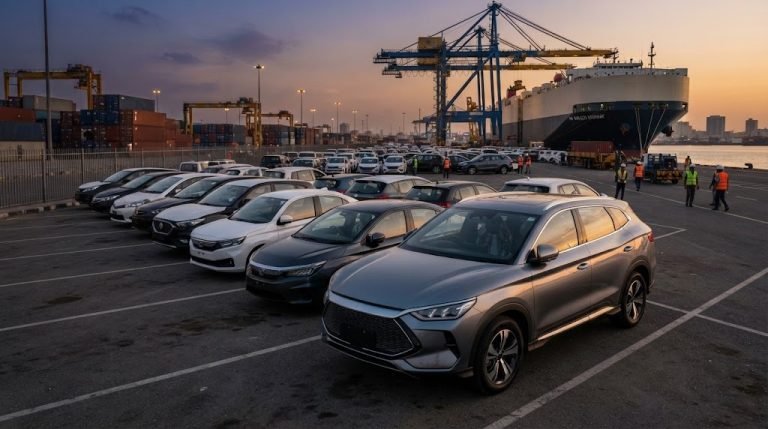
These reforms will be crucial because Pakistan cannot depend indefinitely on international borrowing to finance its development. The country needs stronger exports, higher productivity, a broader tax base and significantly more private investment.
Pakistan therefore appears to be reaching an important economic crossroads.
The immediate threat of financial instability may have eased, and access to international financing appears to be improving. But the success of the current recovery will ultimately be measured differently: by whether businesses invest, factories expand, exports rise and more Pakistanis find productive employment.
Getting through an economic crisis is an achievement. Building an economy strong enough to avoid the next one is the much bigger challenge.