

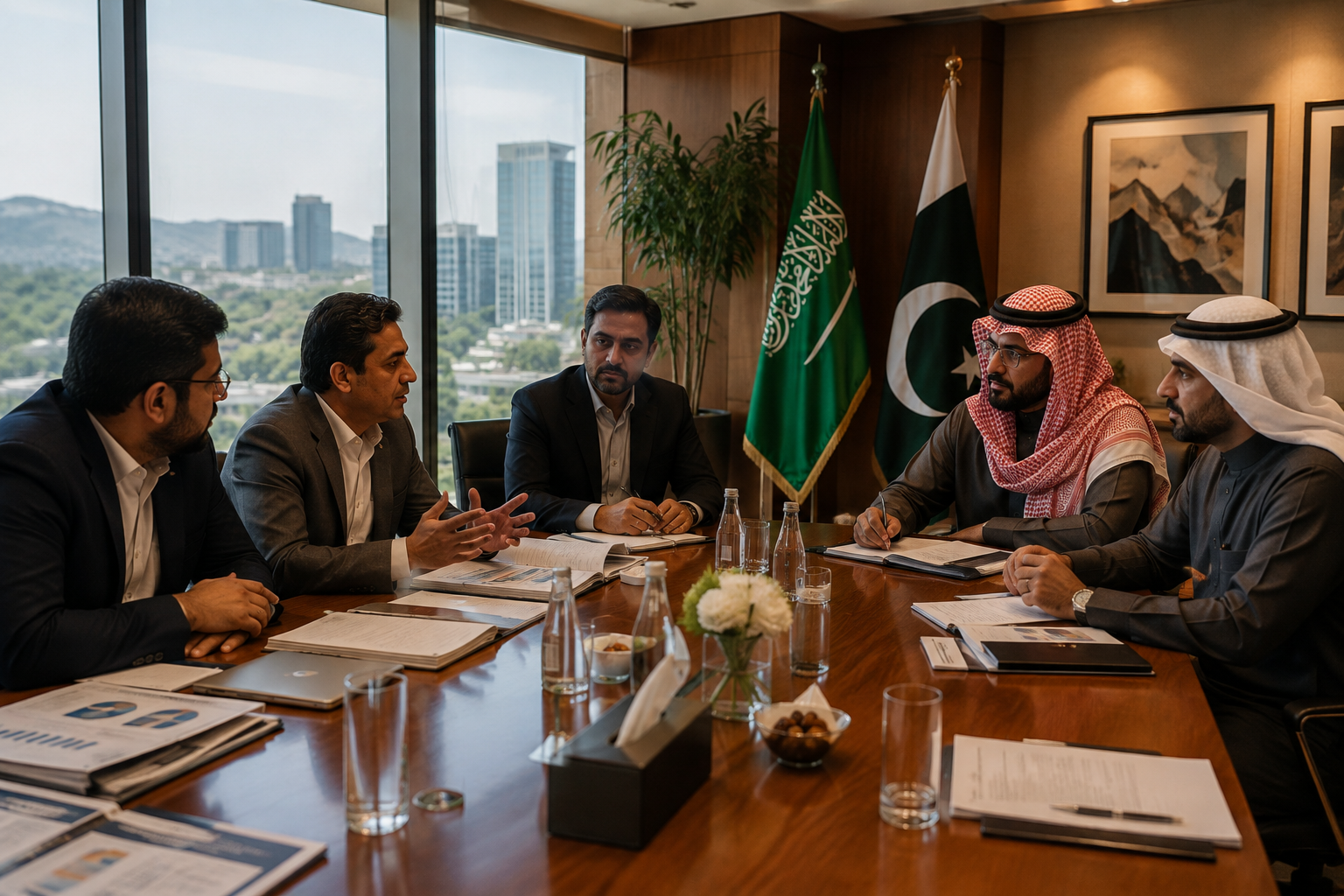
A high-level Saudi business delegation has been exploring opportunities in Pakistan across energy, infrastructure, industry, mining and other sectors. Saudi investors have also shown interest in Pakistan’s privatisation programme.
The distinction matters.
From Financial Support to Business Investment
When Saudi Arabia places deposits with Pakistan or provides financing support, it can strengthen reserves and give the government valuable breathing room. But such assistance does not necessarily create a new factory, employ thousands of workers or increase Pakistan’s exports.
Foreign direct investment works differently.
If a Saudi company buys into a Pakistani enterprise, develops a power project, invests in mining or builds industrial infrastructure, capital enters the productive economy. Ideally, that investment remains for years, generates employment and produces economic activity.
For Pakistan, this is a far more sustainable relationship to pursue.
Where Could Saudi Capital Go?
Energy remains an obvious area. Saudi Arabia has enormous experience and capital across conventional energy, petrochemicals and increasingly renewable power.
Pakistan’s mineral sector could be another major opportunity. The country has significant copper, gold and other mineral resources but needs billions of dollars in investment, modern technology and infrastructure to develop them at scale.
Privatisation could provide a more immediate route.
Pakistan is attempting to reduce the financial burden created by inefficient state-owned enterprises. Strategic Saudi investors could potentially participate in transactions where there is a clear commercial case.
Agriculture, logistics, food processing and infrastructure also deserve attention. Saudi Arabia is a major food importer, creating an opportunity for Pakistan to attract Saudi capital into agricultural production and processing while eventually increasing exports to the Kingdom.
Announcements Are the Easy Part
Pakistan has heard large investment numbers before. The challenge has always been turning interest, memorandums and government-to-government discussions into money actually invested on the ground.
Saudi businesses will make decisions differently from governments providing friendly financial assistance.
They will ask whether a project makes money.
That means Pakistan must provide predictable taxation, reliable energy, transparent regulations, security and confidence that agreements will survive political changes.
Privatisation transactions must also be transparent. Selling an asset simply to raise short-term government revenue should not be the objective. The goal should be bringing in investors capable of improving management, productivity and future investment.
A More Mature Economic Relationship
Saudi financial support remains important to Pakistan, particularly during periods of external pressure. Investment does not replace that relationship overnight.
But the direction matters.
Pakistan ultimately needs fewer emergency financing conversations and more conversations about factories, mines, power projects, infrastructure and exports.
If Saudi interest turns into completed commercial deals, the relationship between Islamabad and Riyadh could gradually move from one centred heavily on financial assistance toward one built increasingly around shared economic interests.
That would be more than another investment announcement.
It would represent a healthier model for Pakistan’s relationship with one of its closest economic partners.