

Pakistan has spent decades living next door to instability. Today, that geography — often seen as a burden — may be giving Islamabad an unusual diplomatic opportunity.
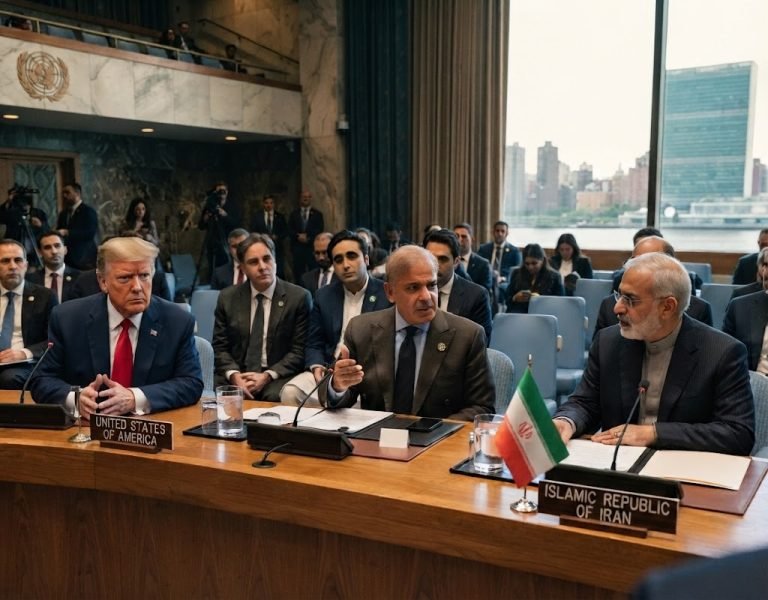
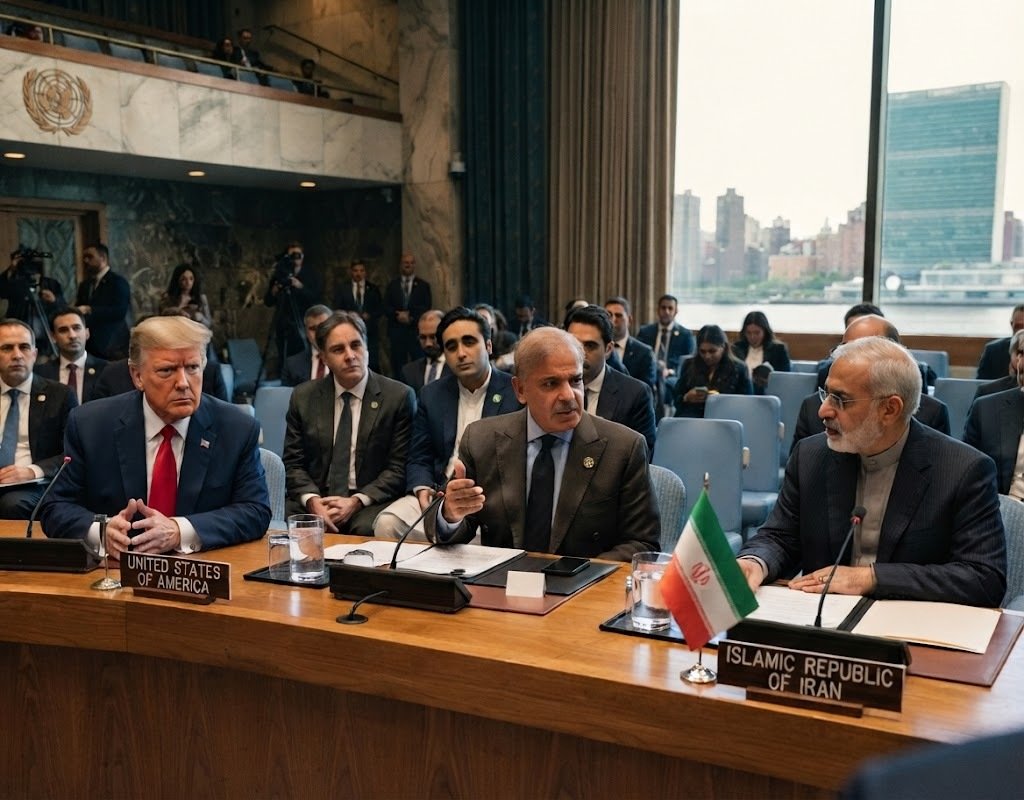
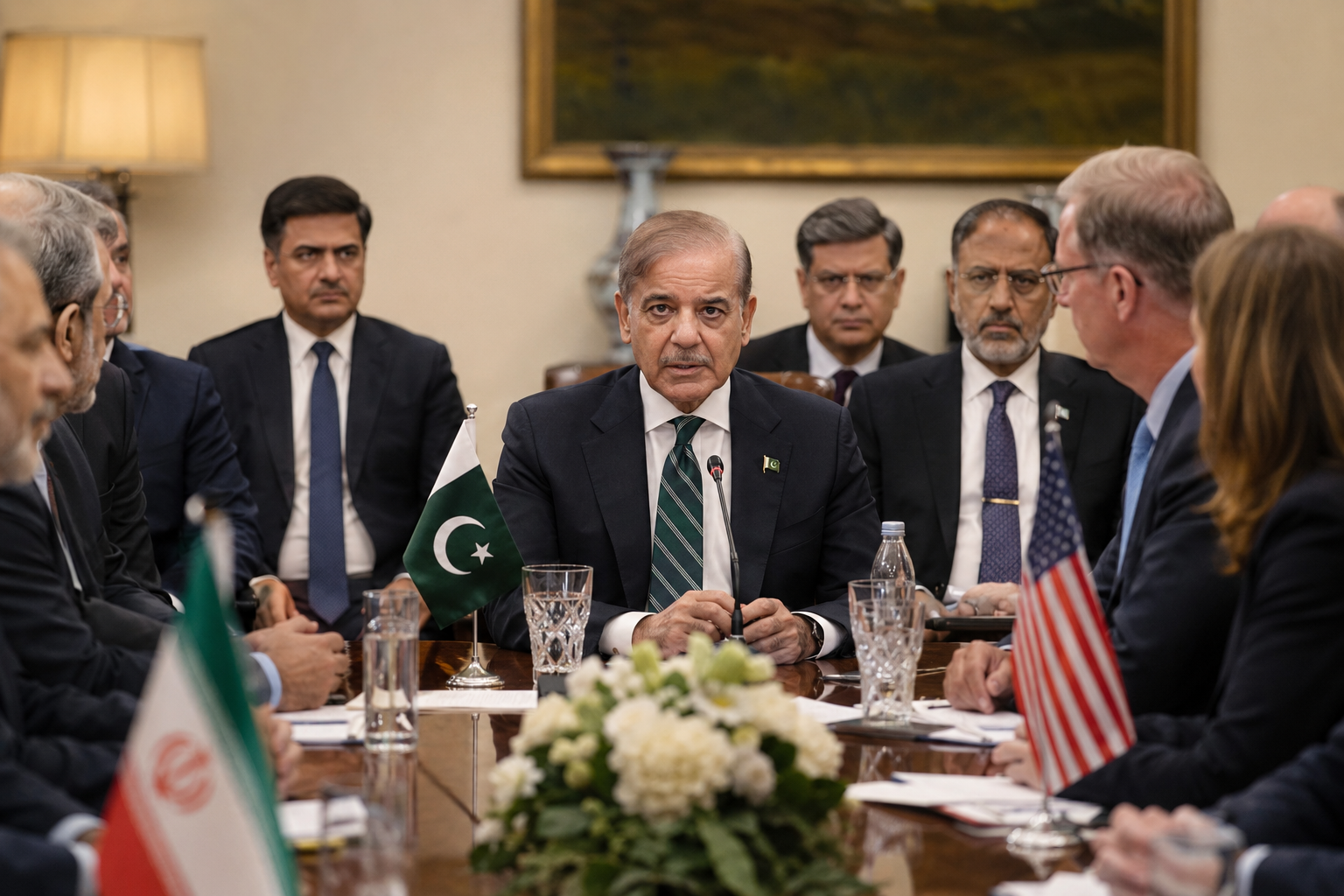
As efforts intensify to reduce tensions between the United States and Iran, Pakistan has emerged as one of the regional countries trying to keep diplomacy alive. Recent activity has included Field Marshal Asim Munir’s meetings with senior Iranian officials in Tehran, while Qatar and Oman have also stepped up engagement aimed at preventing further escalation.
Pakistan’s importance in this moment is not simply about hosting meetings or carrying messages. Its real value is access.
Islamabad maintains working relationships with Tehran while also having important strategic and economic ties with Washington and the Gulf states. That gives Pakistan something increasingly valuable in a crisis where trust is scarce: the ability to speak to different sides without being completely shut out by any of them.
But Pakistan should not be viewed as a lone peace broker capable of producing an agreement. Oman has traditionally played an important role in communication involving Iran, while Qatar has also become increasingly active. What appears to be emerging is a regional diplomatic effort in which different countries can play different roles.
For Islamabad, there is also a powerful national interest behind the diplomacy.
The Strait of Hormuz is one of the world’s most important energy corridors. In normal conditions, roughly one-fifth of global oil supplies pass through the waterway. Disruption there can push up energy and shipping costs far beyond the Gulf.
Pakistan, already highly sensitive to imported fuel prices and external financing pressures, has little economic room for a prolonged regional confrontation. Higher international oil prices can eventually reach Pakistani consumers through transport costs, electricity generation and inflation.
So when Islamabad argues for de-escalation, it is not merely performing a diplomatic role. Pakistan has a direct economic stake in peace.
There is a political opportunity too.
Successful mediation — even if Pakistan only helps bring the parties closer rather than delivering a final agreement — could strengthen Islamabad’s standing in Washington, Tehran and Gulf capitals simultaneously. It would present Pakistan as a country capable of contributing to regional stability rather than simply reacting to crises around it.
There are limits, however. Pakistan can facilitate, persuade and provide channels for communication. It cannot force either Washington or Tehran to compromise.
That distinction matters.
Pakistan’s diplomatic success should therefore not be measured by whether Islamabad single-handedly ends the crisis. The more realistic test is whether it can help keep negotiations alive when confrontation appears easier than compromise.
At this moment, simply keeping that door open could be a significant diplomatic achievement.